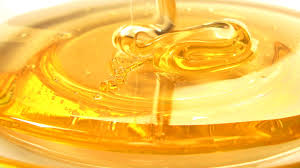
Since the beginning of time, humanity has been enamored with the sweet sensation that is honey. The earliest cave- paintings depict hunters fighting off bees to steal their delectable honeycombs while the ancient greeks believed it to be a sacred food of the gods. Honey was the sugar of society before people even knew about sugar. If a dish needed sweetening, honey was the obvious choice throughout the Renaissance era in Europe. Much like wine, the characteristics unique to each honey are tied to the natural environment in which they are produced. Different areas can provide honeys with different flavors, fragrances, and colors due to the different flowers and pollinators in various areas. All of these factors combine to contribute to the unique tastes of the many honeys of France including miel de lavande, a golden lavender honey, and miel de sarrasin, a delicious buckwheat honey. Because of this, the French have developed labeling practices similar to those used with wine in order to properly explain the origins of the plethora of honey varieties to help protect the sanctity of the real honey from fraudulent claims of cheap substitutes.
Honey was not always as popular in France as it is today. The French have one main man to thank for that; Charlemagne, the King of Franks in the late 8th century. As king, he focused on improving farming and food in order to stimulate the economy and provide stable sustenance to all. Some of these reforms included a decree that all royal estates should keep bees, immediately expanding organized honey production. While he may not be most well-known for this, his impact on the bee-keeping industry in France certainly earned him title of “The Sweetest King”. Nowadays, honey is still one of the most utilized and beloved ingredients in the French cuisine. However, the past two decades have seen a stark decline in bee populations in France in part due to the many different pesticides. However, a greater threat to the French apiculture lies in the beekeepers themselves as a third of beekeepers are now age over 65 with the industry seeing a scarcity of young people entering the trade. While the French, like us all, certainly love their honey, these trends must be reversed if the country wishes to see honey production continue for decades to come.

 Delicious France