This was supposed to be 2-3 minutes, but I had way too much to say about how amazing this trip was so it ended up being wayyyyy longer than needed. Regardless, please enjoy this voice thread as I narrate over some pictures highlighting my favorite experiences, meals, and moments from Paris.
Product Label Comparison
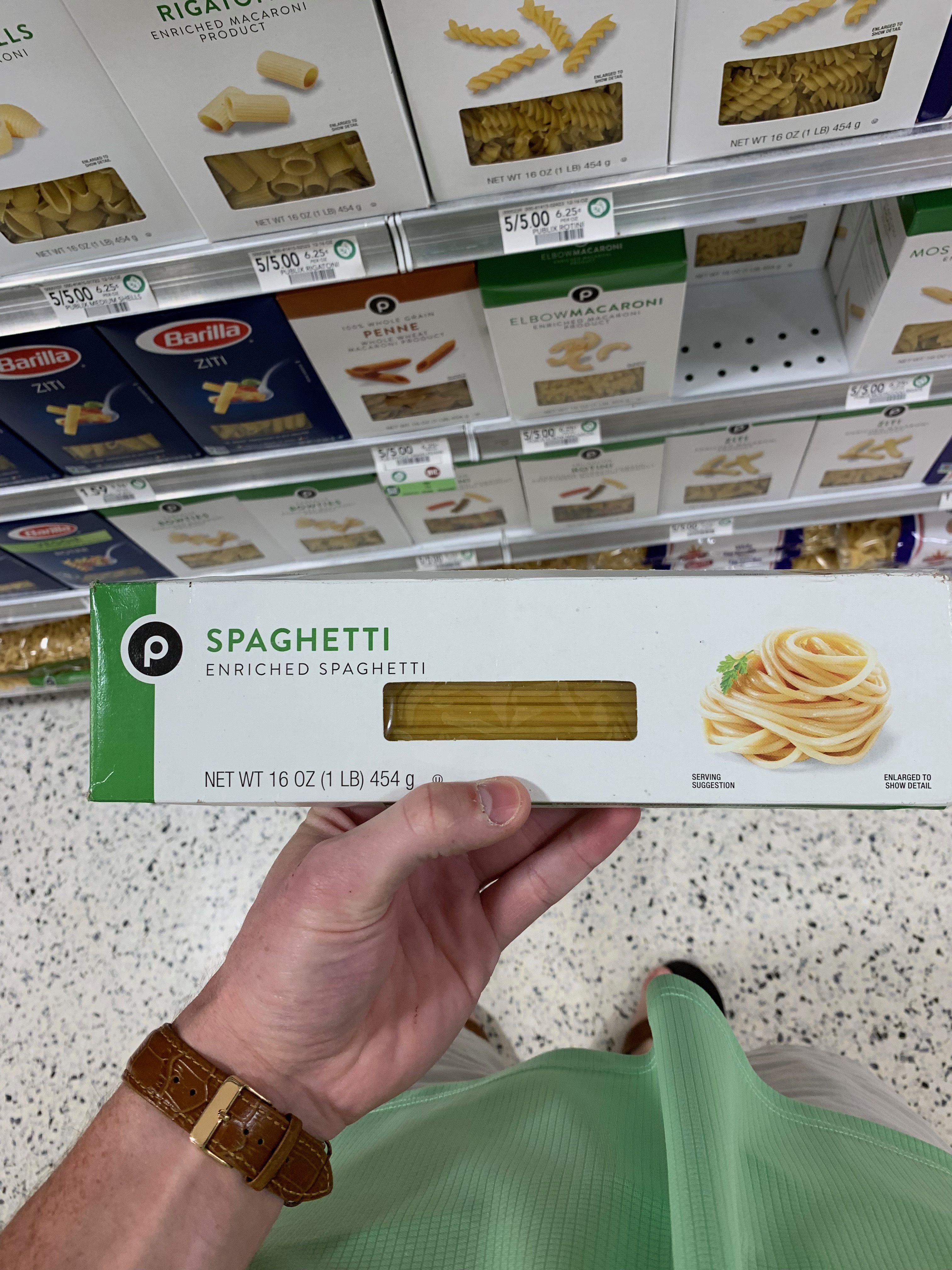
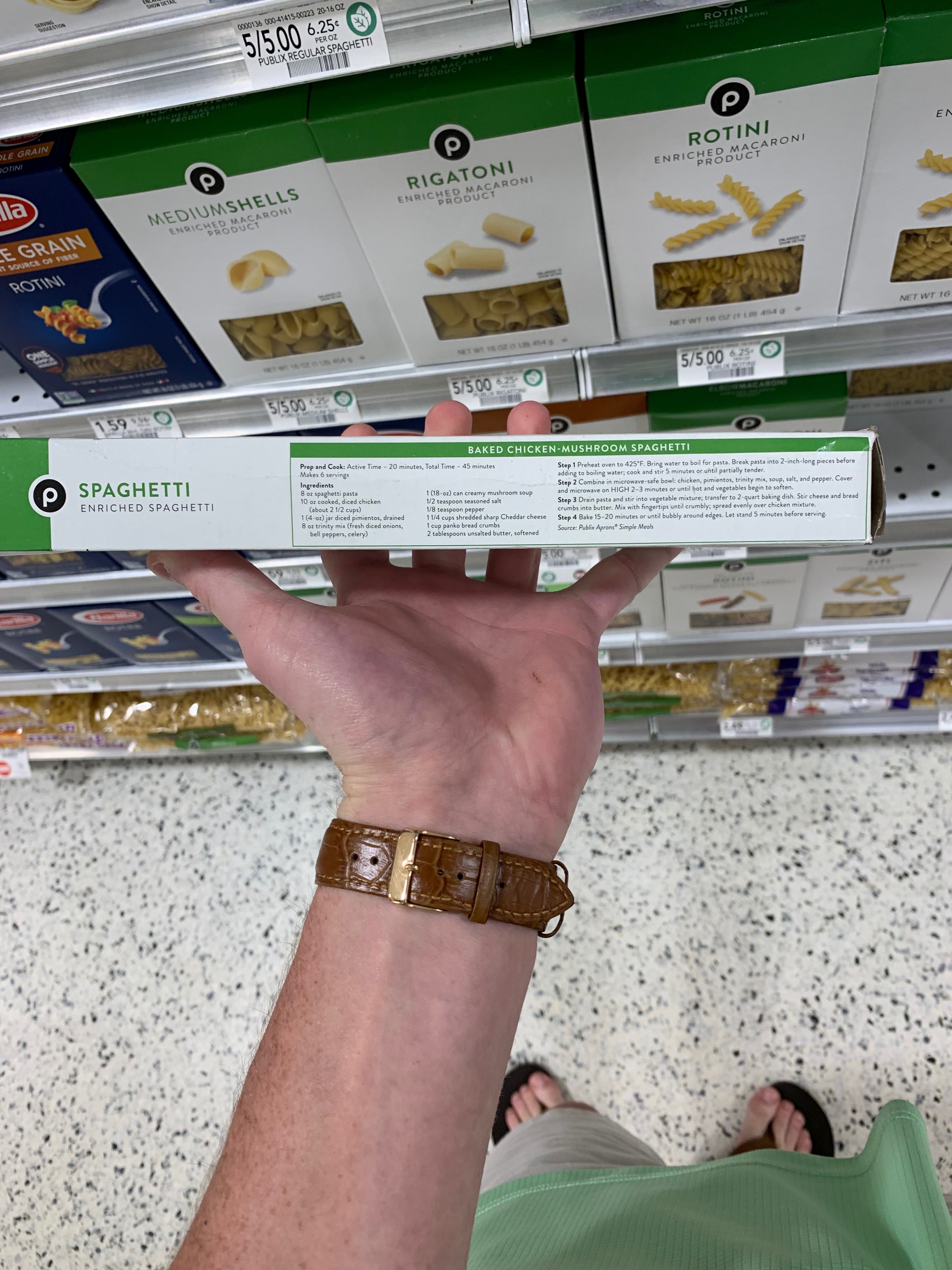
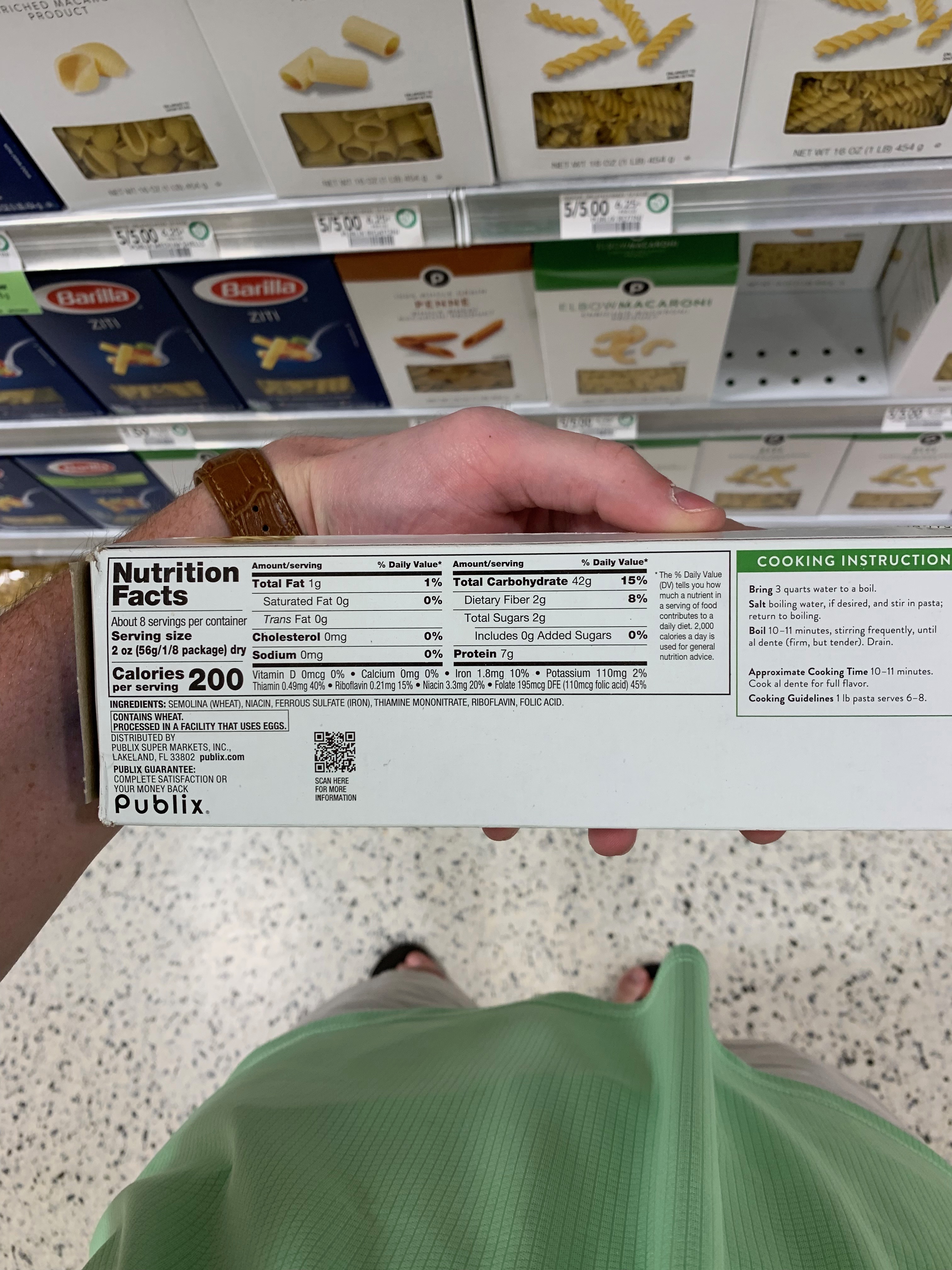
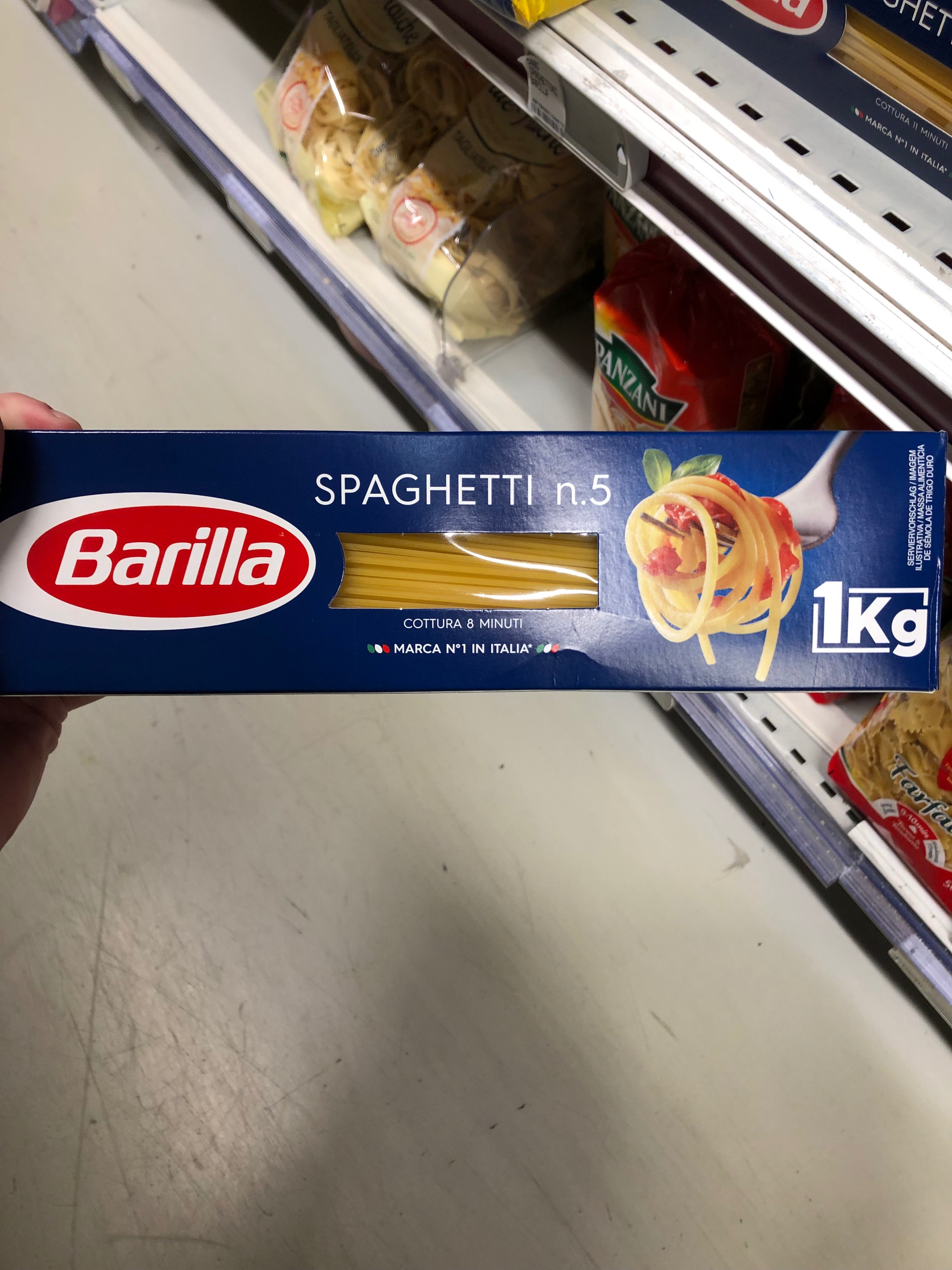
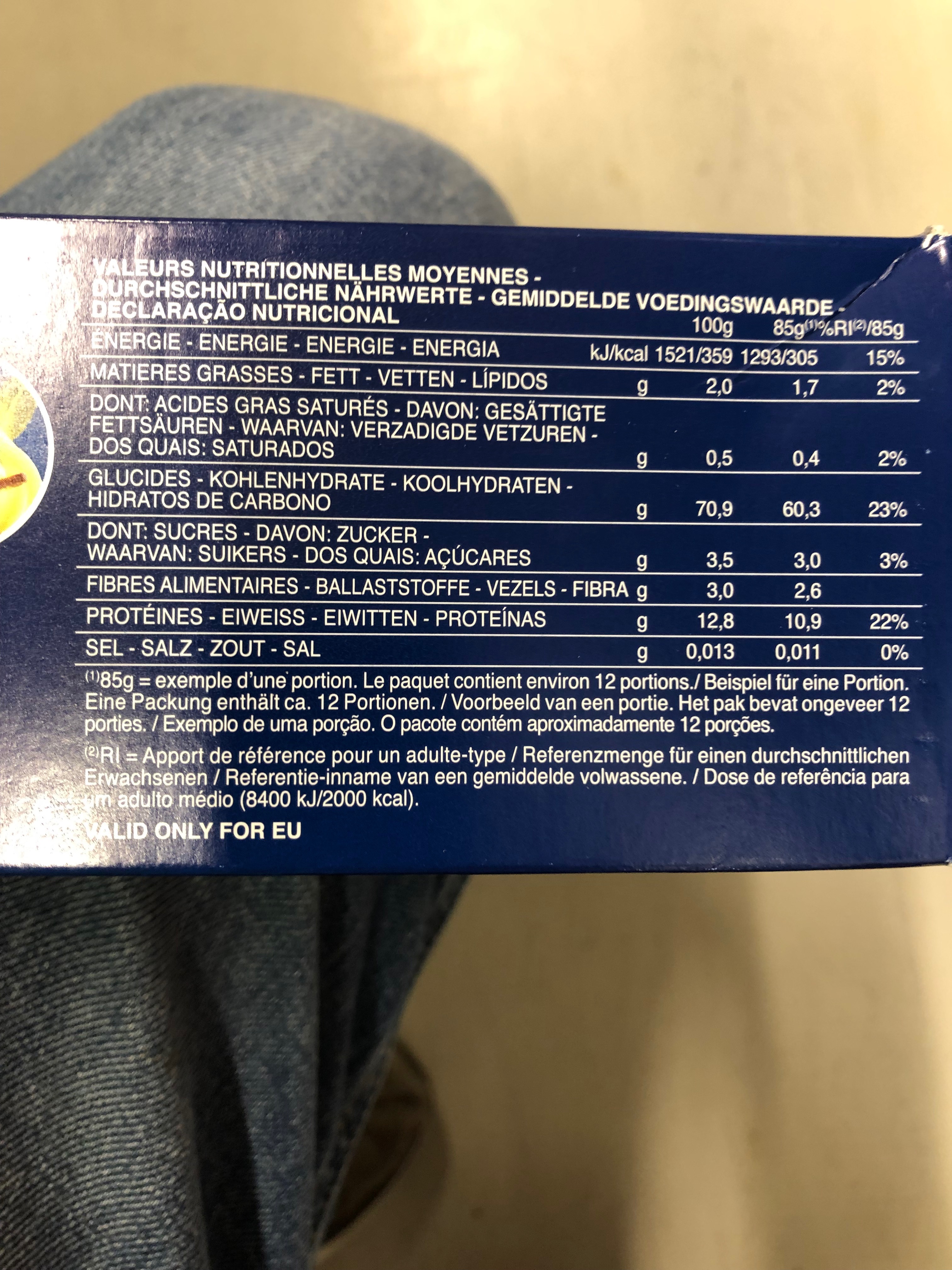
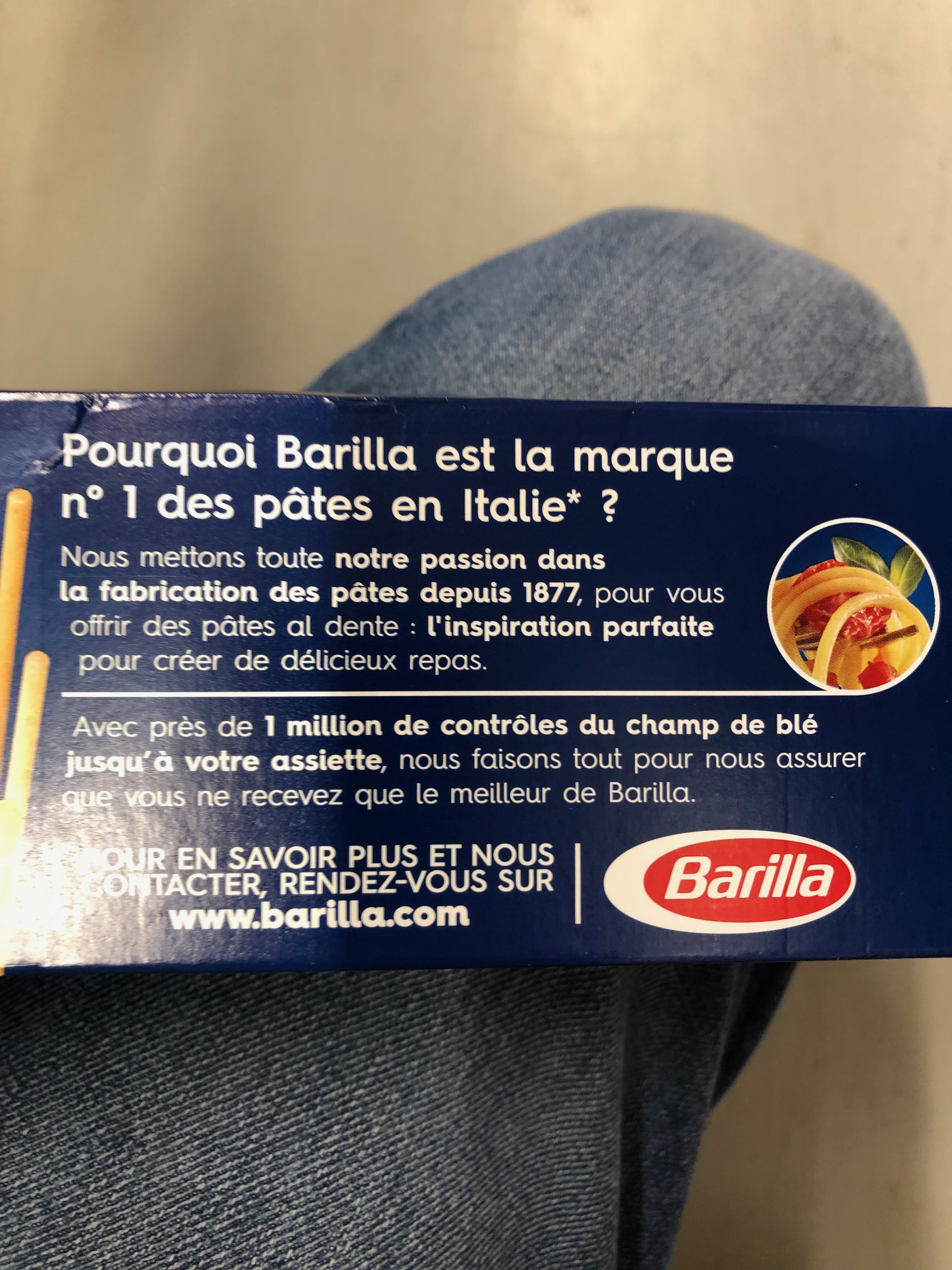
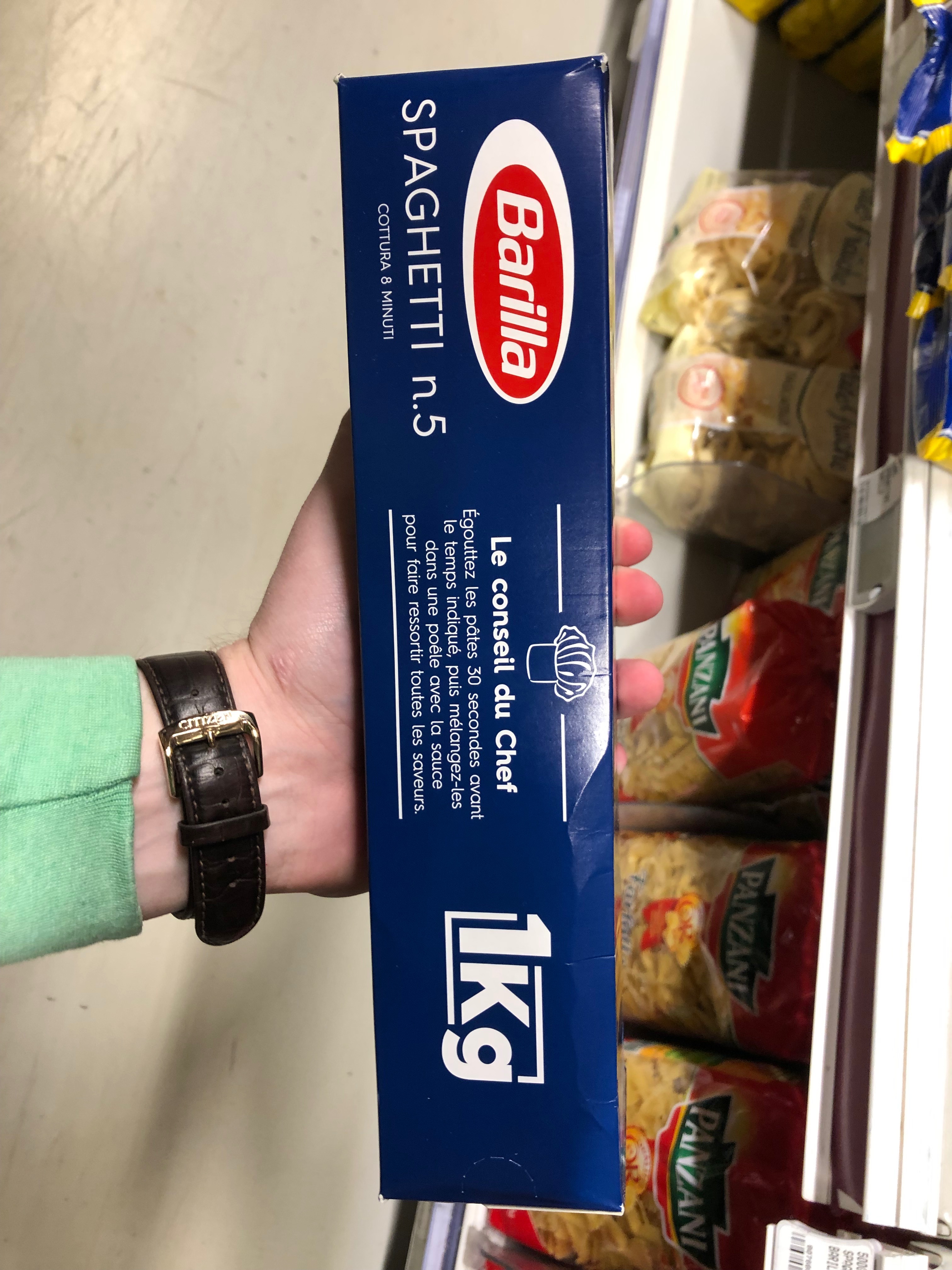
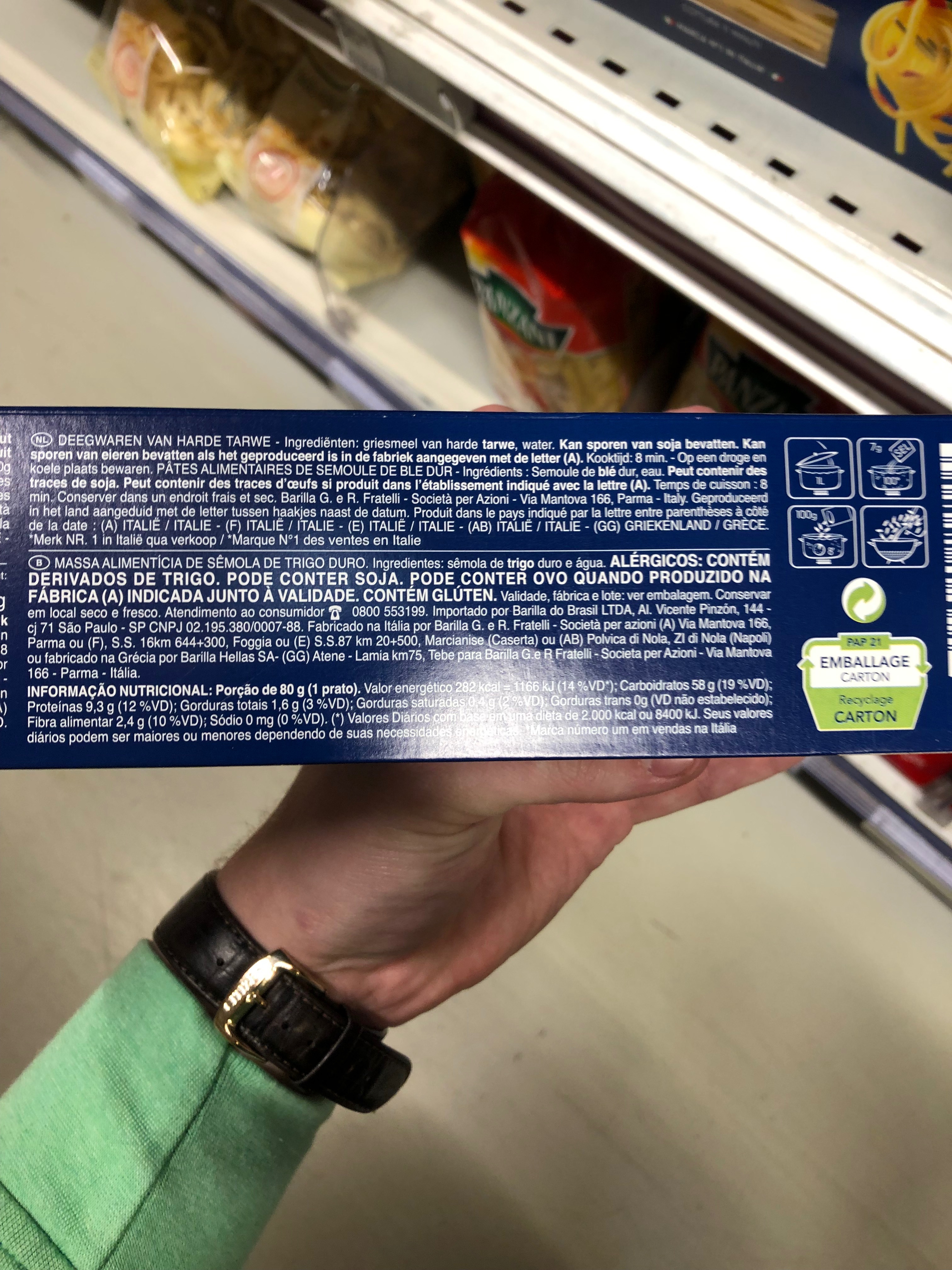
The first 3 images are of the American spaghetti while the last 5 pictures are of the spaghetti I found at the Monoprix in Paris.
While many French goods have protected product labels, this item does not as it is an Italian based company. It also does not display any of the new color coded labeling systems that France has begun to utilize.
There are many differences between the two labels. For example, the Barilla spaghetti has a lot more advertising than the publix brand spaghetti which uses the label space mainly for nutritional information and cooking instructions. Speaking of instructions, the French spaghetti uses diagrams in order to show how the pasta should be cooked while the American spaghetti uses words to describe the cooking instructions. The layout of the ingredients an nutritional information is also displayed differently.
However, there are also many similarities such as how each box displays an enticing picture of cooked spaghetti in order to draw in customers. Both items take the same amount of time to cook (around 8 min) and, they both mainly consist of carbohydrates. Both put a large importance on displaying nutritional information as both labels have a large portion of space taken up by ingredients and nutritional percentages.
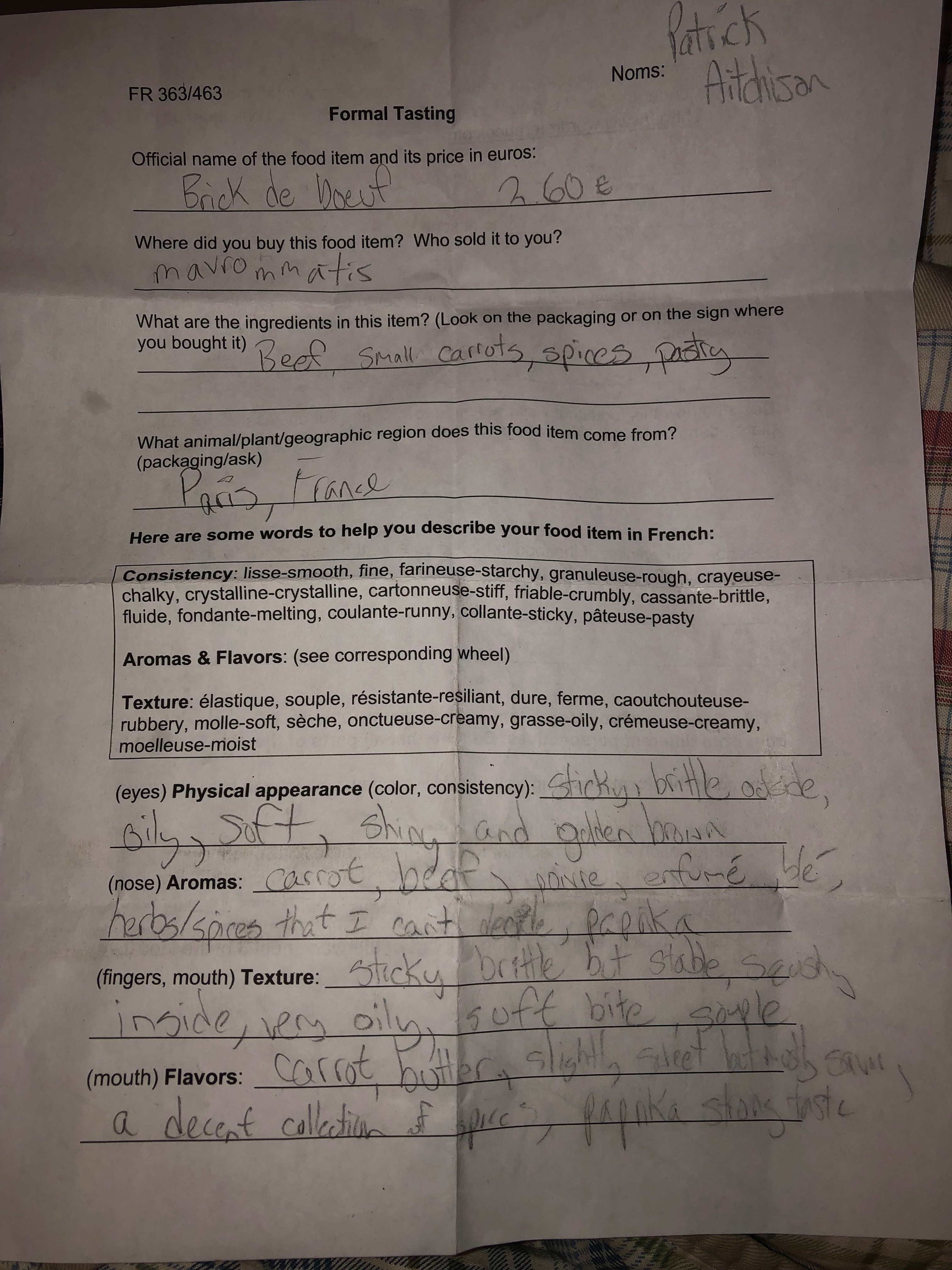
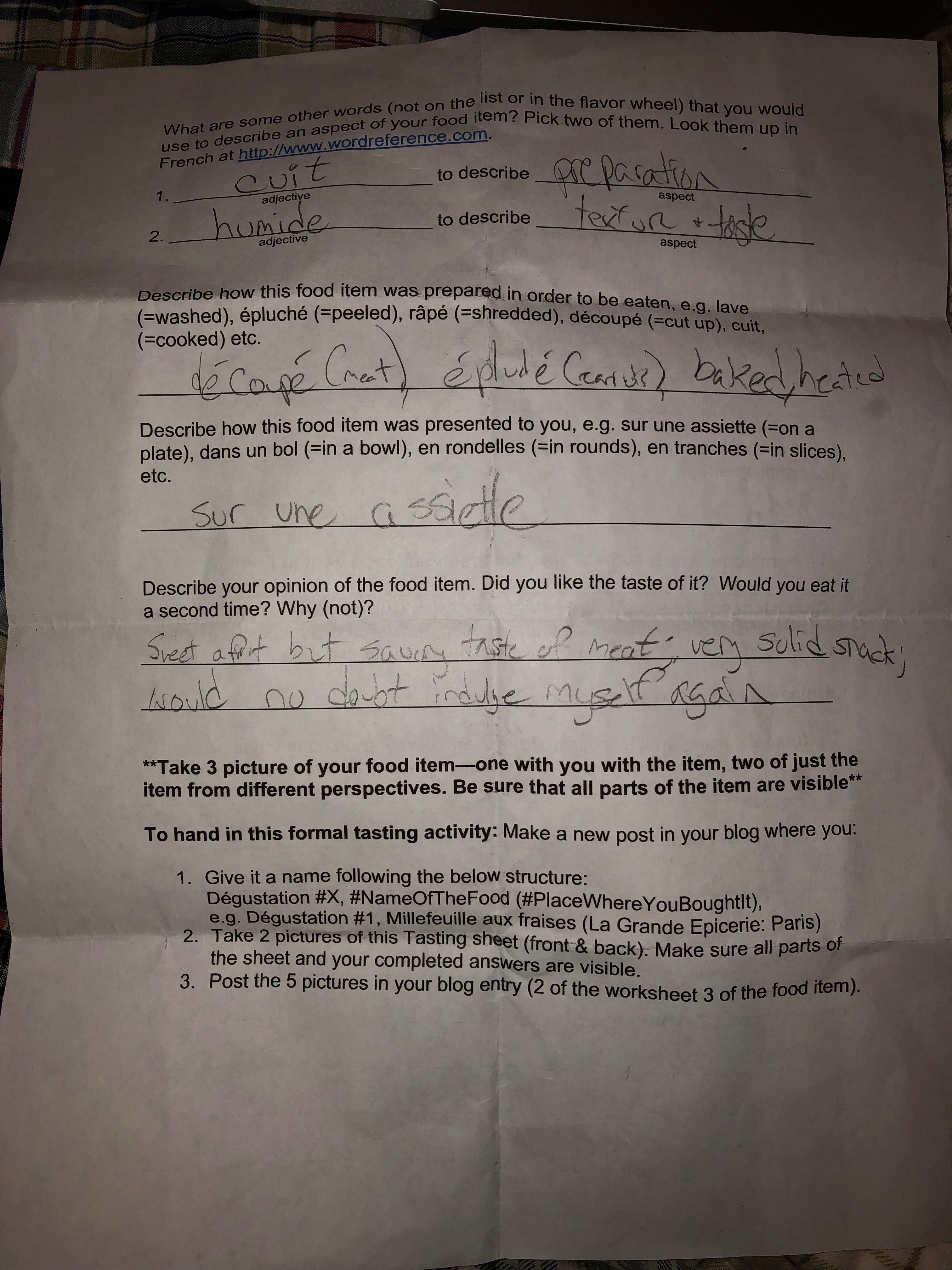
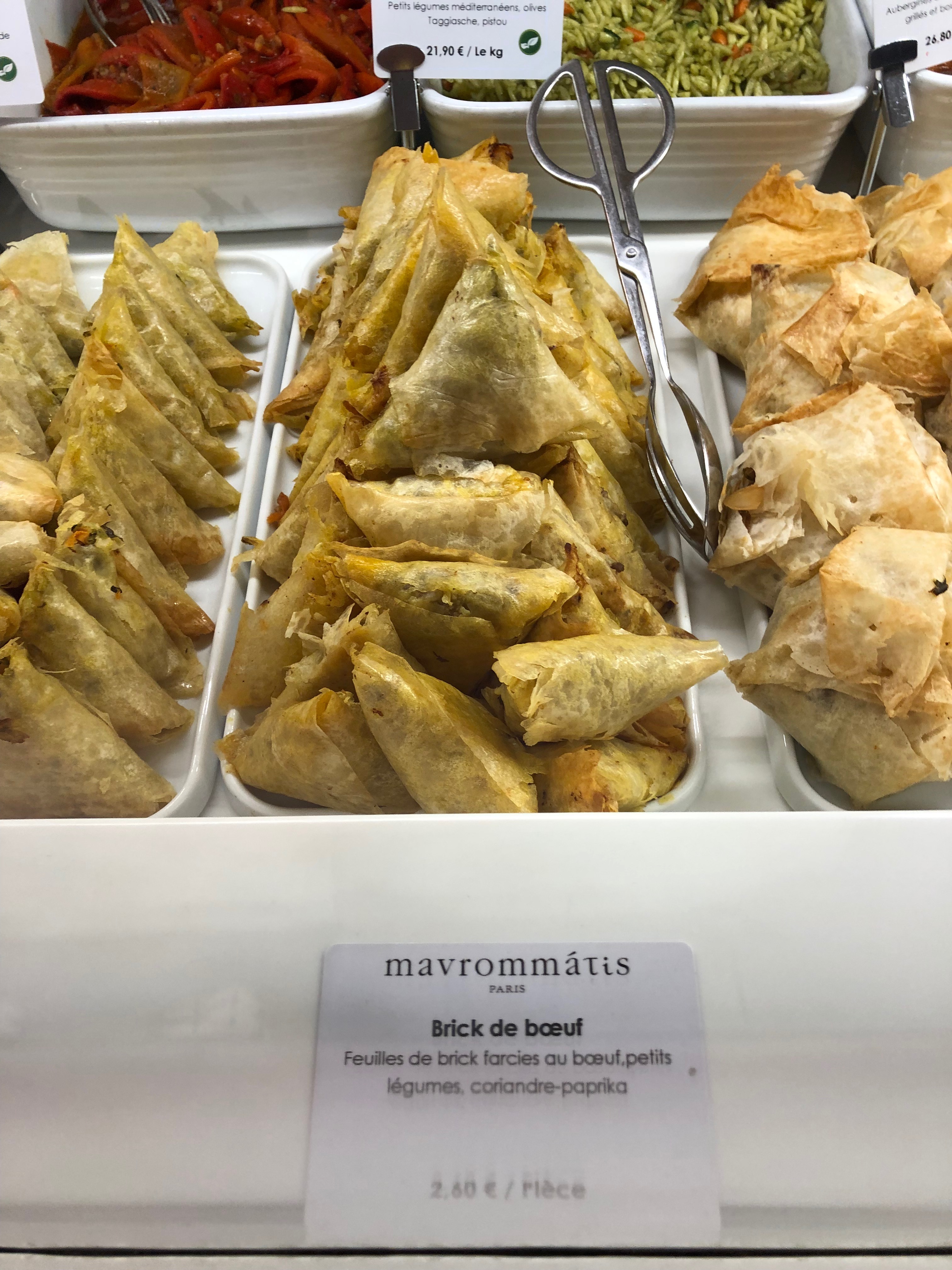
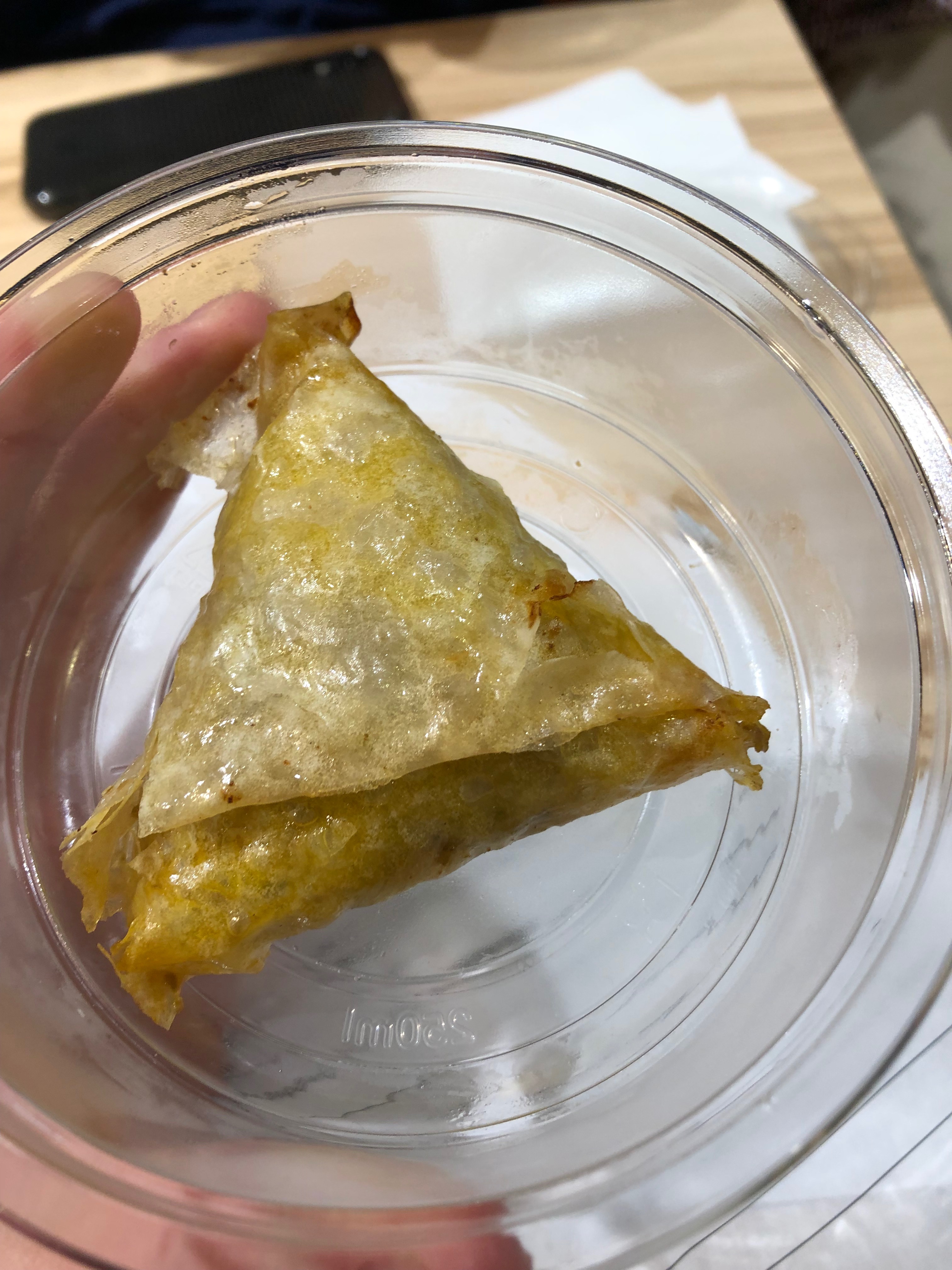
Dégustation #2, Brick de Boeuf (La Grande Epicerie: Paris)
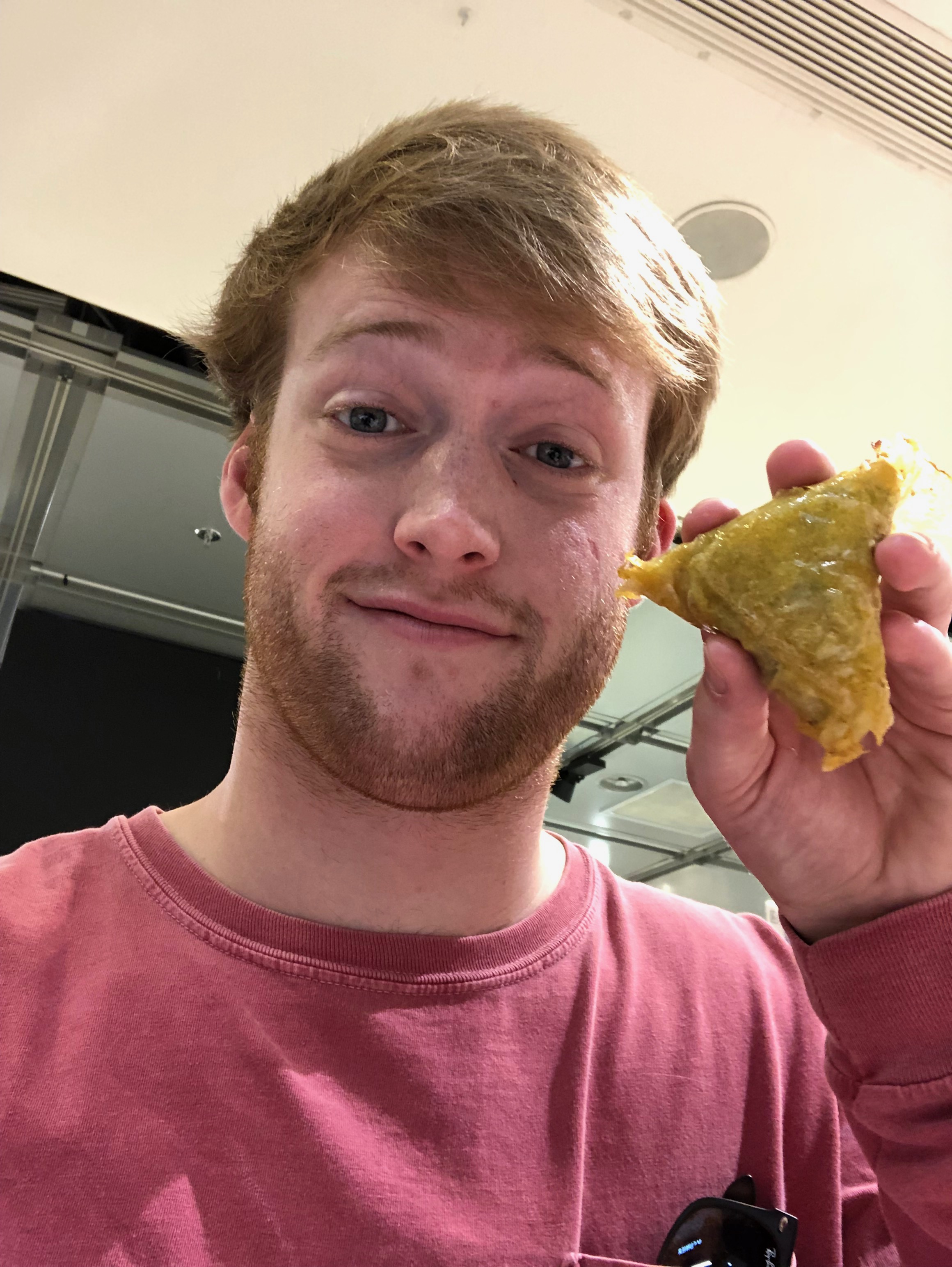
Delicious France: An Experience not to be Forgotten
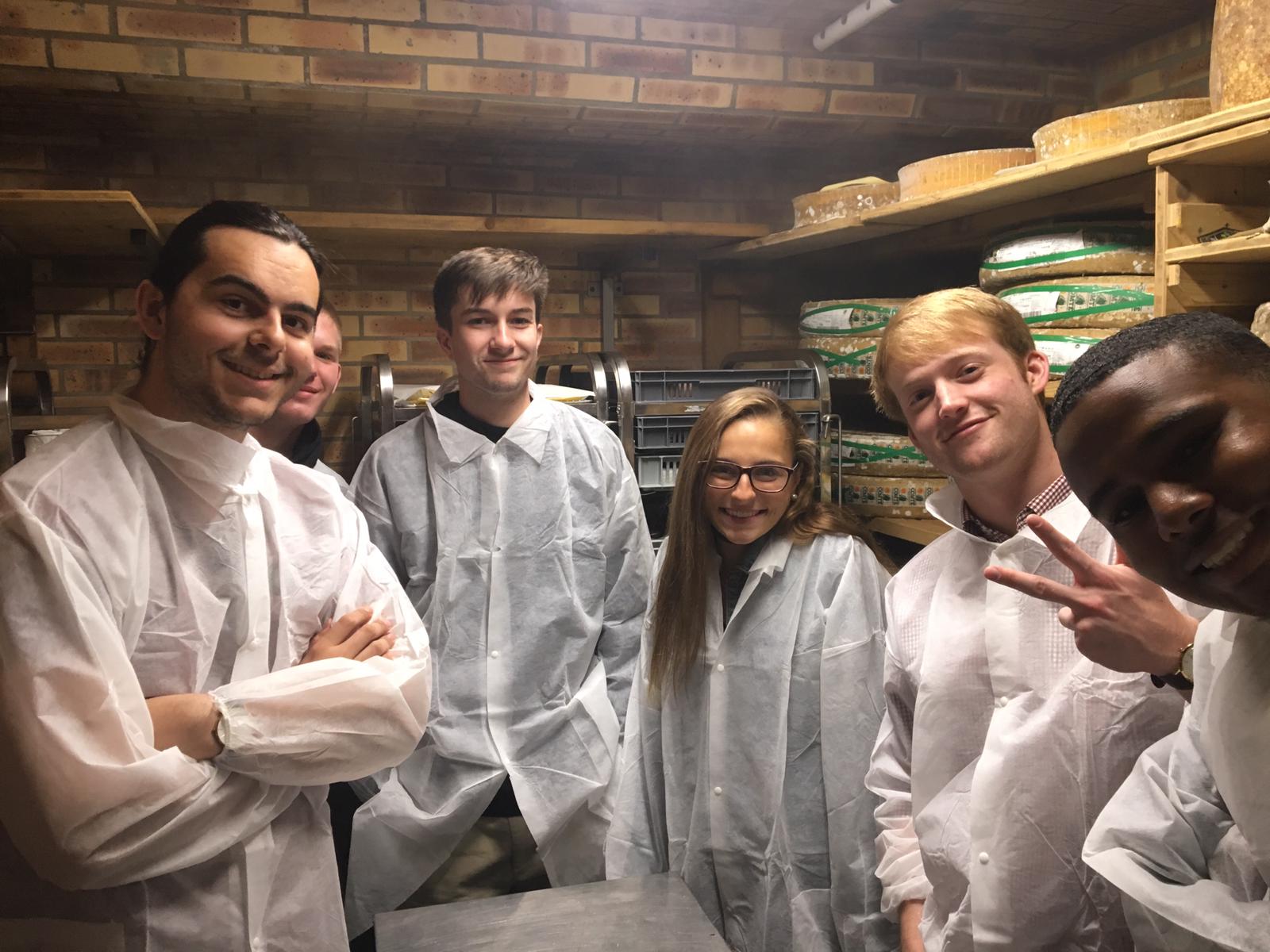
Hello everyone. I am sad to announce that I am officially back in the United States. The only reason this is sad is because it means I am no longer able to experience the exquisite cuisine of France every day in Paris. However, I was thankfully able to learn a few things along the way that I have brought with me for the benefit of my stomach. I now understand that the unpasteurized cheeses of France are in a league above the pasteurized “cheese” we eat here. Not only does it taste better but the unpasteurized cheese definitely helps the French stay healthy as it helps introduce bacteria to our immune systems to better prepare for future endeavors.
My favorite aspect of the French cuisine is how it reflected the social and historical culture of the people. Everything from the elegant language to the quaint yet meaningful social interactions between complete strangers was reflected in the cuisine. The French lived in the moment and made sure to make each moment count by crafting each dish with care as only the best food was put up with in Paris. I will especially miss the ability to walk one block and find a beautiful café with people sitting outdoors, enjoying the cuisine in the company of others (and usually a glass of wine as well).
Overall, the French respect each meal a lot more than in America as fast food in France is in the shape of a gorgeous bakery alongside a charcuterie stand frequented by the neighborhood each morning. While in the US, we shop and buy food for likely a week at a time. In contrast, the French visit markets daily to craft each days meals in order to make the best food with the freshest ingredients.
Overall, the French have a much higher standard and appreciation for their cuisine than we do in America. I look forward to using my knowledge gained over the past 10 days to better my cooking and lead a healthier lifestyle while living in the moment and appreciating each bite of food that I take. Thank you all for reading my blogs and make sure to check out my voice thread outlining my favorite moments in Paris! Should be up in a few days! Au Revoir!!
The Problematic Peanut
Peanut butter dominates the peanut industry in America, reeling in over 300$ million in annual revenue. The French only reel in over 30$ million in annual revenue from peanut butter, but interestingly enough uses more peanut oil than any other European country. This is where the peanut makes its biggest impact on the French cuisine due to peanut oils suitability for frying (you know, French fries and what not) and for its use in light vinaigrettes and dressings.
For years, France received most of its peanuts from their colony in Africa, Senegal. The peanut was the most important crop in Senegal and as demand rose, the French provided great monetary support towards building vast plantations for growing peanuts. While this certainly increased peanut exports, an economic and political benefit to the French, it came with a decline in production of other crops in the colony. The French drove the Senegal economy in the direction most beneficial to France before taking over the industry, monopolizing it, and thus reaping the benefits. The French eventually established a colonial administration throughout their empire in Africa everywhere except Senegal, where they were forced to assimilate into the French culture. Instead of creating an economic and political culture for its own benefit, Senegal was forced into retaining its duty as France’s #1 peanut plug. Even since achieving independence in 1960, Senegal still must continue to bolster its economy while it still must rely on the imports of many foods from other countries, especially France, due to the focus on the peanut as the cash crop of the country from French influence. All in all, the history of France’s relationship with Senegal and its peanuts can be seen as another tale of the enduring times the imperialistic era brought through conquest and colonization.
Crescent Rolls and Body Tolls
Before I begin, let it be known that nobody was massacred in the making of this blog, but I had to make it work for the title. Enjoy.
The croissant has become synonymous with France. However, the origins of this delectable crescent moon-shaped pastry are actually quite not French at all.
The most comparable ancestor to the modern croissant is likely the kipfel, a Viennan pastry dating back to the 13th century that was more dense than fluffy. The exact origins of this roll connected to the croissant are unknown as there are many different timeframes for the original legend involving the bakers of Vienna baking crescent shaped rolls in celebration of warding off the Ottoman invasion during either the 16th or 17th century. Regardless, this does not explain how it became a French delicacy as the country as a whole was unlikely to support a pastry gloating in the face of the Ottomans due to their 250 year alliance they had shared. Another theory suggests that Mary Antoinette was the first to introduce the croissant to French cuisine, but there is minimal, if any, historical evidence to back this claim up. Many historians believe the rightful introduction of the croissant came from a popular Viennese bakery located in Paris around 1838. Once the kipfel began to be made with puff pastry, the modern croissant was born.
To be honest, I’m not sure anyone is truly worried about where the croissant came from and when. The pastry is simply too good to worry about anything other than the time you are going to consume one next. While all croissants are good, they are not all great. If there is one thing I have learned in France, it is that the croissant ordinaire has absolutely nothing on the true king of pastries, the croissant au beurre. This typically straight croissant is made with butter instead of margarine and it makes all the difference in the world. Having tried many croissants during my time here in Paris, I beg for you to pay the extra 25 cents to receive a true beauty of a pastry while in the heart of the country famous for them.
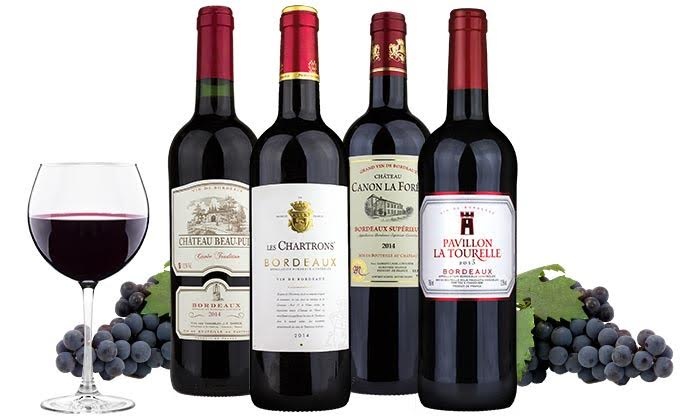
The Battle for Bordeaux
In short, the reason for the vast contention of the French region of Bordeaux began with the marriage of Louis and Eleanor, the duchess of Aquitaine. Very soon after their marriage, Louis’ father died, making him the King and Eleanor the Queen of France. While their relationship was never on solid ground, it took a bitter turn after she sided with her Uncle in opposition of Louis continuing his pilgrimage to Jerusalem instead of conquering Edessa straight away. This defiance, in addition to many other problems, led to a strenuous situation that lead to an annulment after she was unable to give the King a son. Shortly after this separation, Eleanor married the Duke of Normandy, Henry Plantaget. Not only was this a political power move, but Henry was also the future King of England via his mother’s lineage. Two years later, he became King and inherited a massive amount of once French land due to his acquisition of Aquitaine by marriage and his possession of Normandy by name. Now under British control, Bordeaux quickly became one of the greatest port cities in Europe and due to the exemption of export taxes, became the cheapest and most popular choice of wine in England. Bordeaux is situated at the mouth of the Garrone river which provided a massive geographical advantage as the English were able to restrict exports from wines produced farther inland. This suppression of local wines allowed Bordeaux to explode as a legendary location in the wine industry. Eventually, due to a continued affair, Henry and Eleanor grew apart before she eventually supported his sons unsuccessful revolt against their father. This led to her imprisonment for over a decade before she was released when her husband finally died. She was given regency of England before her son, John, was named King. All of this tension, along with many other issues, exasperated the Hundred Years War which resulted in the Bordeaux region finally being reclaimed by the French. Overall, the disputes of this magnificent wine venue can be traced back to one common denominator, Eleanor.
Day 5 Activities
Ode to Kebab
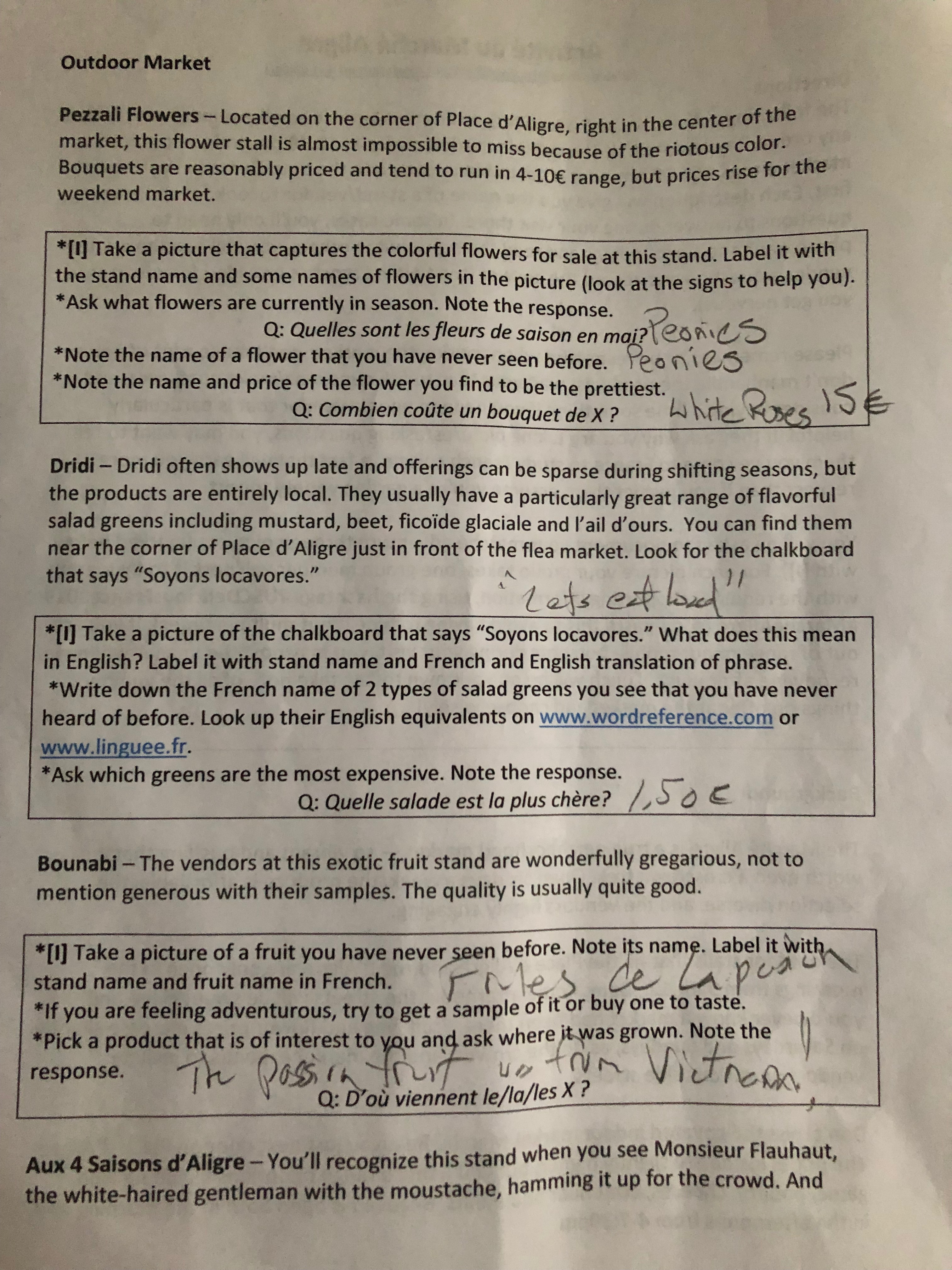
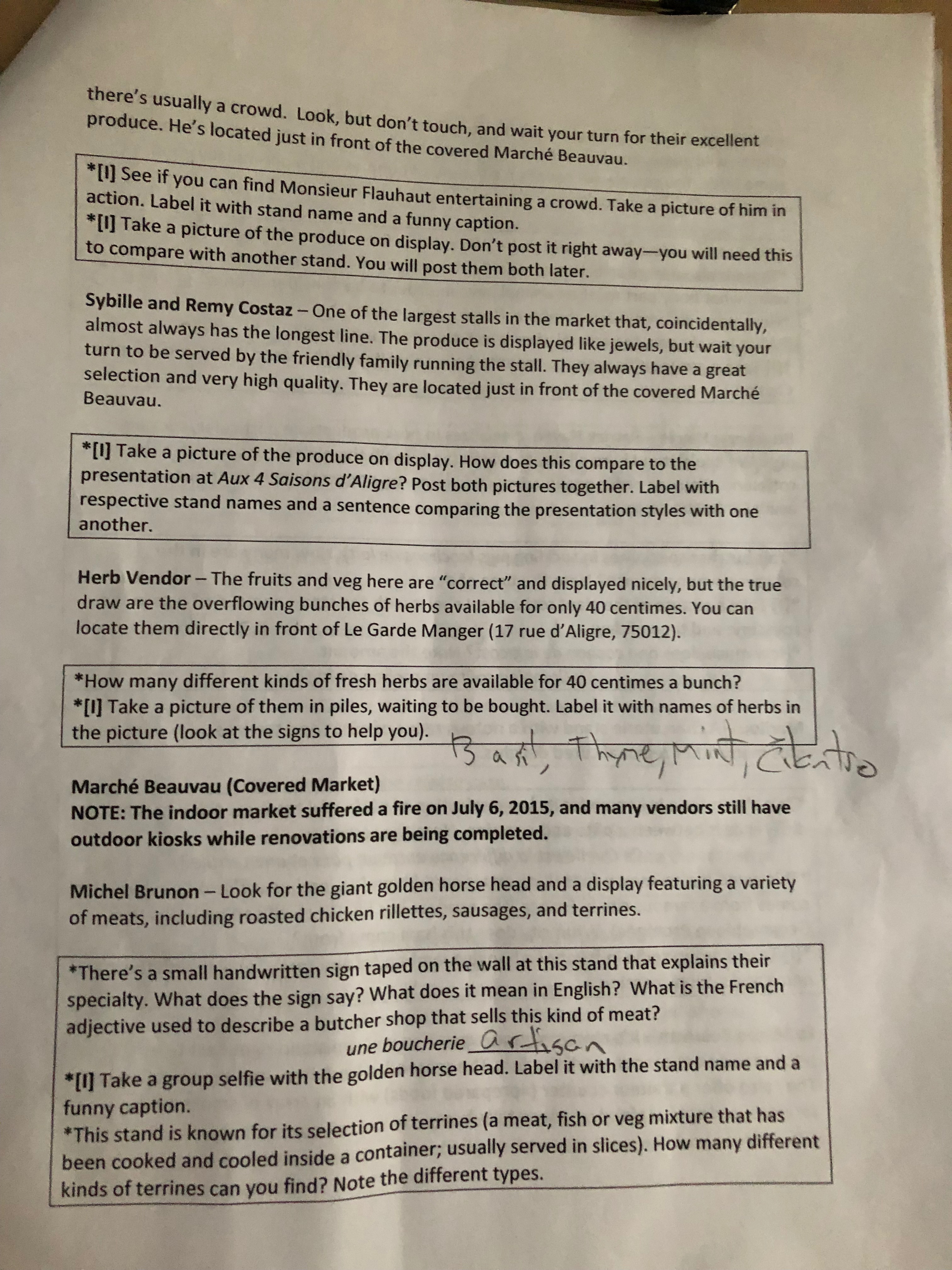
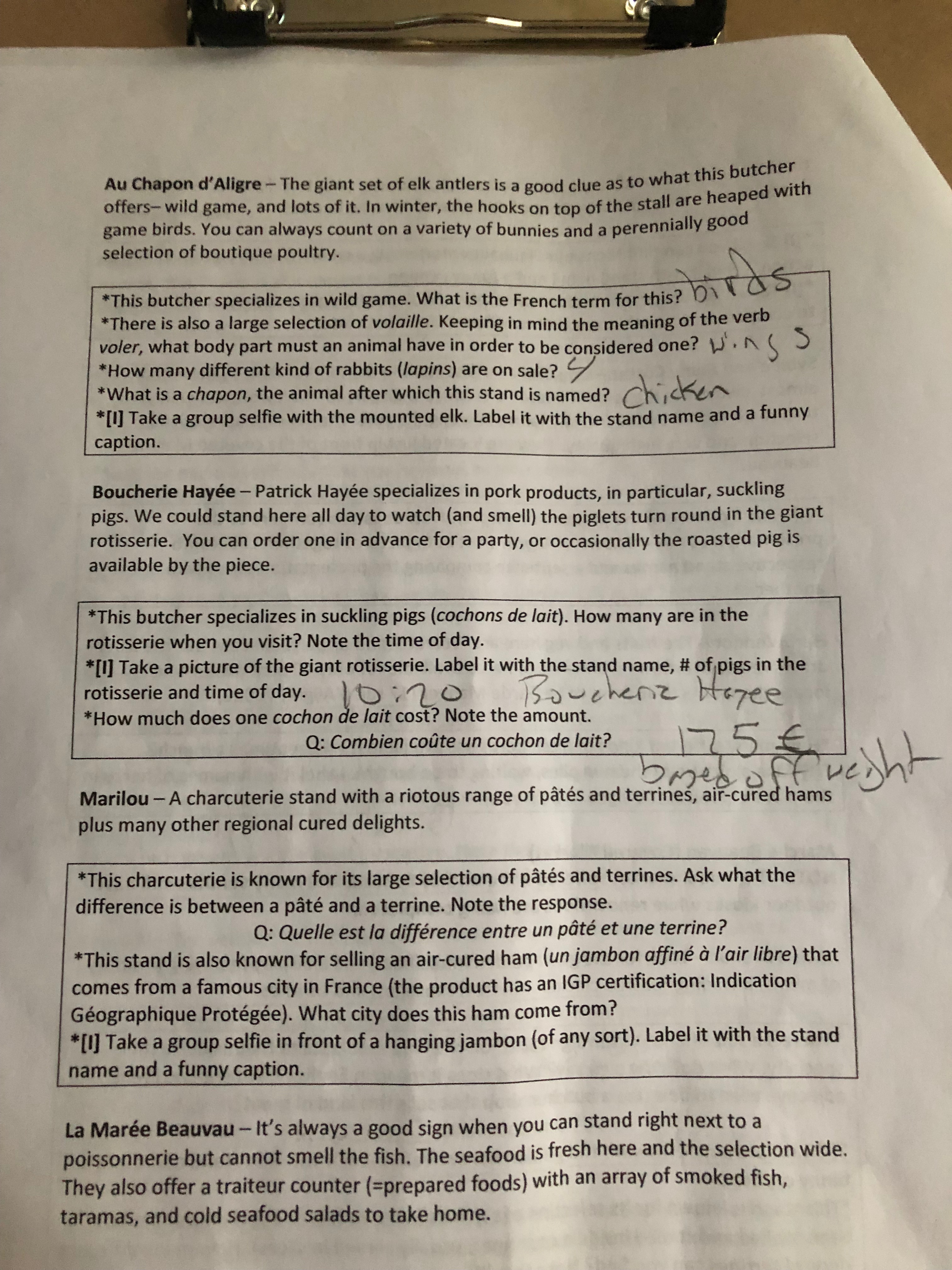
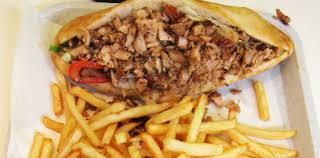
Before I bless you with words, I first must explain exactly why I had to give the kebab the poetic justice it deserves. Before my trip to Paris, I can’t say I have ever actually had a kebab as I am an incredibly picky eater. Thankfully Julian, being wise beyond his years, forced us to try this sensational meal. Not only was it my first kebab, but it was voted the best kebab of Paris in 2017. After that experience, it is not a surprise my stomach brought me back for my second kebab in two days. Enjoy:
My stomach tells me its time to eat,
but it knows not yet what it wants.
I pass through street after street
eyeing sweet after sweet
and to what does my wandering eye appear,
a bountiful harvest of kebab, what cheer!
The smell itself fills my heart with glee
as I race to the register to give him my order.
The bread is crisped, the meat is roasted,
and the fries are seasoned with love and care.
Samurai and tzatziki sauces are spread across the bread
as I watch in awe as the meat is added and added
till there is a plethora of protein, overflowing at end.
He gives me my plate, as my eyes open wide;
I take my first bite… my oh my!
My heart fills with joy as sauce dribbles down my mouth
I can’t help but fall for this lovable meal.
The meat is savory, and the sauce provides spice to my like.
Before I can breathe, the meal is over;
my eyes water in delight as I stand up to fight
the urge to sleep forever more; I am in bliss.
The kebab was a sensation I was unprepared for,
but I’m better off having had the privilege
to consume such a blessing in disguise.
But it is now time to move along;
Paris, Bring it on!
The Bees’ Knees
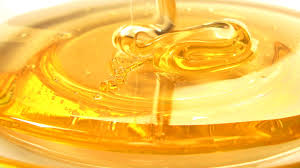
Since the beginning of time, humanity has been enamored with the sweet sensation that is honey. The earliest cave- paintings depict hunters fighting off bees to steal their delectable honeycombs while the ancient greeks believed it to be a sacred food of the gods. Honey was the sugar of society before people even knew about sugar. If a dish needed sweetening, honey was the obvious choice throughout the Renaissance era in Europe. Much like wine, the characteristics unique to each honey are tied to the natural environment in which they are produced. Different areas can provide honeys with different flavors, fragrances, and colors due to the different flowers and pollinators in various areas. All of these factors combine to contribute to the unique tastes of the many honeys of France including miel de lavande, a golden lavender honey, and miel de sarrasin, a delicious buckwheat honey. Because of this, the French have developed labeling practices similar to those used with wine in order to properly explain the origins of the plethora of honey varieties to help protect the sanctity of the real honey from fraudulent claims of cheap substitutes.
Honey was not always as popular in France as it is today. The French have one main man to thank for that; Charlemagne, the King of Franks in the late 8th century. As king, he focused on improving farming and food in order to stimulate the economy and provide stable sustenance to all. Some of these reforms included a decree that all royal estates should keep bees, immediately expanding organized honey production. While he may not be most well-known for this, his impact on the bee-keeping industry in France certainly earned him title of “The Sweetest King”. Nowadays, honey is still one of the most utilized and beloved ingredients in the French cuisine. However, the past two decades have seen a stark decline in bee populations in France in part due to the many different pesticides. However, a greater threat to the French apiculture lies in the beekeepers themselves as a third of beekeepers are now age over 65 with the industry seeing a scarcity of young people entering the trade. While the French, like us all, certainly love their honey, these trends must be reversed if the country wishes to see honey production continue for decades to come.
 Delicious France