Good Ole Camembert

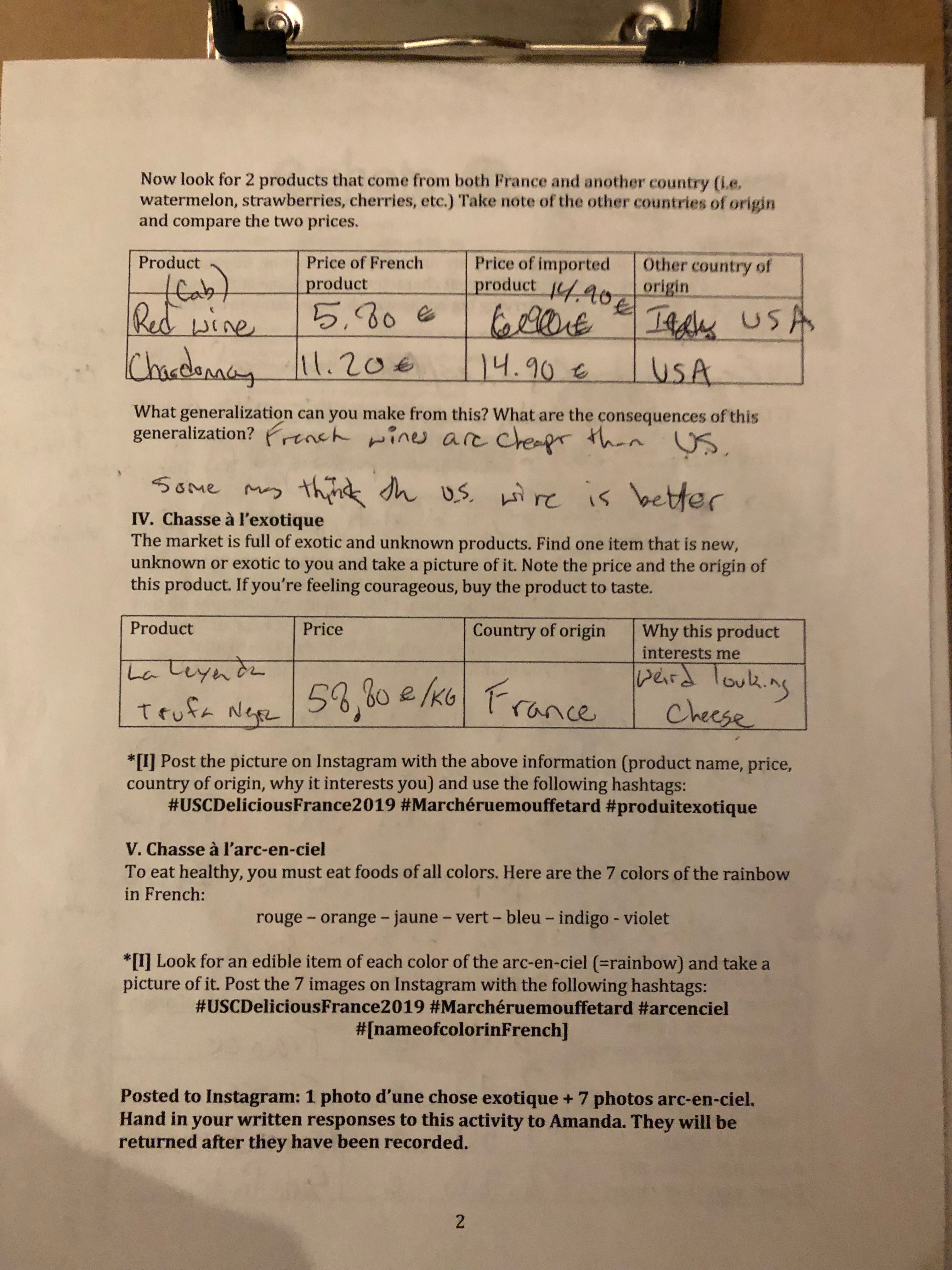
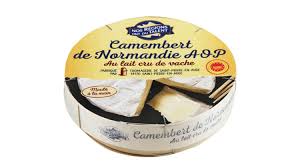
Everybody loves cheese (at least all the sane ones), but the French hold it near and dear to their heart. Out of all the cheeses of France, the most quintessential in all of French gastronomy is likely the once regionally appreciated specialty, Camembert. This cheese expanded from one of many local cheeses of Normandy to the national icon it is today in due part of WWI. The war years were obviously filled with famine, poverty, and death, but the emergence of Camembert was one of the few bright spots produced over this time period. A large part of this uptake of Camembert in to the French cuisine had to do with the fact that the producers of it in Normandy were able to successfully lobby the cheese as a daily ration in every French soldiers diet. Camembert producers had already began using the cheese as propaganda by displaying images depicting French flags and victory which became synonymous with the cheese itself. By 1918, the French army was requesting over 1 million wheels of Camembert a month, a strikingly high number. The strong and earthy flavors of the cheese reminded the French of the rural environment they called home which only created a stronger connection between the two as the creamy delight reminded soldiers of the few times of peace, providing integral comfort to soldiers in such trying times. Overall, this led to the French people falling in love with this cheese by the wars end which led to the rise of production of many differrent camemberts that flooded the market. The government declared it as a generic term with Camembert de Normadie being the only true Camembert to receive AOC recognition. In present day, most people simply refer to it as Camembert, the cheese that won over a nation in the span of less than a decade. I would continue blogging but all this talk of cheese is making me hungry. Au Revoir!

The Potato: France edition

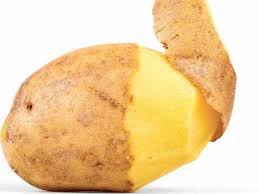
In the current age, the potato is the most widely consumed vegetable in all of France, but this was not always the case. The potato was originally met with great resistance when the Spanish first introduced the veggie to Europe. As time went on, potato consumption increased in many countries due to the efforts from Frederick the Great of Prussia in promoting its cultivation. These efforts caught the eye of a French pharmacist who survived off of potatoes after being captured by the Prussians during the Seven Years War. After his captivity, he returned to France with a mission to promote the spud to combat famine and hunger after he, to his surprise, remained in good health with potatoes in his diet. While this was a long and difficult job, he eventually won over the royal families’ support which helped him promote the potato as a vegetable of great class and prestige. However, the potato still didn’t gain a foothold until the revolution when society finally started to realize the potential benefits in part due to the scarcity of food encouraging cheaper substitutes and due to people discovering better ways to prepare potatoes in delectable fashions. This lead to increased cultivation throughout the country even after the government’s support subsided. Regardless, by 1803, France was full on board as potato production increased to 1.5 million tons a year and increased to over 10 million per year over the next half-century.

Even though Monsieur Parmentier is no longer around, potatoes are still an integral part of the French pallate as the average frenchmen consumes nearly 110 pounds of spud annually in various forms such as the globally popular “French” fries. However, it was actually the Belgians who pronounce themselves as the mastermind behind fries. This claim is supported by the fact that in WW1, Americans discovered the fries in southern Belgium, but mistakenly referred to them as “French” fries due to the language being the primary one spoken in the area. Regardless of where fries cam from, we are certainly all thankful for their existence, and the French are happy to finally be on board the potato hype train.

Gastronomads on the Sun Road

Route 66 is no doubt one of the most famous roads in American history and in present day. However, many people are unaware of the French equivalent: the legendary Nationale 7. While Route 66 holds a high place in the heart of many Americans, Nationale 7 is half in even higher regard among French foodies as it holds the key to many delicious delights.

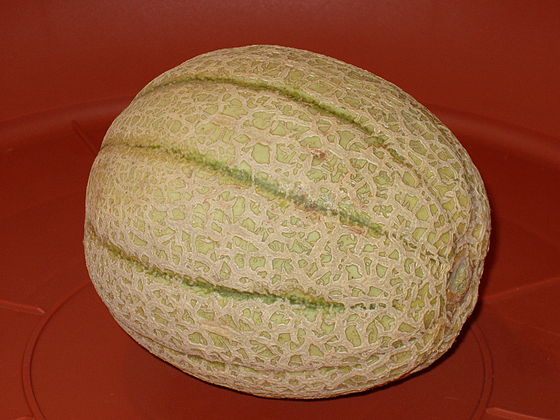
One of the first hidden delicacies one encounters are the succulent melons found for miles in the region of Cavaillon. The most well known of these in the cantaloupe which can be used in a variety of ways in different dishes. In fact, these melons are so famous that Alexandre Dumas donated a copy of every one of his literary works to the library of Cavaillon in return for a lifetime supply of melons. What a deal!

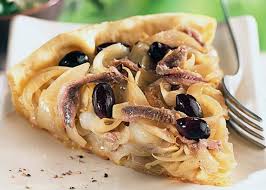
Further down the road towards Nice, in the region of Provence, pissaladière can be found. This intense tart consists of anchovies, onions, and black olives cooked on a bread much like pizza dough. This dish is normally served in the morning as an appetizer. While I do not like the sound of this, I certainly can understand why others do judging by the look of it.

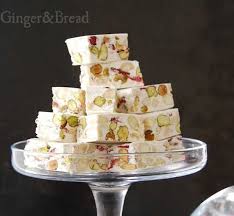
Another food treasure along the highway are the white nougats that can be found in the region of Montélimar. These sweet treats were and continue to be treasured for their combinations of honey, egg whites, and almonds. This baked good is a popular and classic snack that all foodies will enjoy.

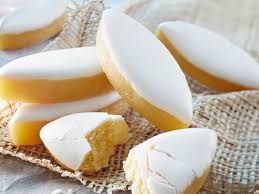
If none of these sound enticing, one may find salvation with the calissons found in Aix-en-Provence. These sweet candies are made in the shape of almonds consisting of a paste tasting distinctly of melons, oranges, or even almond meal. As you can tell by the picture, I am sure they are quite delicious!

Assignment #1

In order to fully appreciate the cuisine of a country, one must first understand its origins. 

The first signs of food in France appear during Ice Age when small groups of hunter-gatherers lived with plants as their primary food source as well as some game, such as reindeer. Around 7000 BCE, pastoral communities began to pop up with goats, pigs, sheep, and cows being domesticated and crops like wheat, rye, and barley were grown. By 2000 BCE, the Greeks brought wine to France in exchange for grain and set up southern enclaves. At this time, the Celts—tribes of farmers and metalworkers who were expert cheese and sausage makers—pressed into France before much of southern France became a Roman colony. Under this Roman reign, diets shifted as Romans used a wide variety of spices in order to create with strong flavor in order to mask the metallic flavor from the use of lead pots and began to grow grapes and produce wine. In the 5thand 6thcenturies, Visigoths and Franks influenced cuisine with their diets consisting of milk, cheese, meats, and ale. By now, Christianity had led to the increased importance of bread and wine in French culture.

The Middle Ages saw the introduction of sweets, made from newly imported cane sugar, and fine dining as the wealthy folks of the royal court held lavish feasts while the poor struggled for food. The Renaissance saw the introduction of turkey which quickly found favor and vegetables began to take a vital place in the French diet. Spices fell out of style as chefs focused more on the natural flavor of food and restaurants were first established. By now, the French cuisine based on naturalness, authenticity, and health has taken shape with large meals with many dishes being replaced by a few, typically hotter dishes. All of this history helped shape the importance of taste and pleasure in French cuisine.

Overall, I am very excited to dive into the cuisine of France. It was interesting to see the large quantity of cultures that had influence over the food customs seen in modern day France. I was most surprised to read that the French, while healthy eaters, are more focused on pleasure rather than obsessing over every unhealthy meal consumed. I am especially looking forward to comparing the taste of the American cuisine I am used to with the French cuisine to see how the dishes differ.